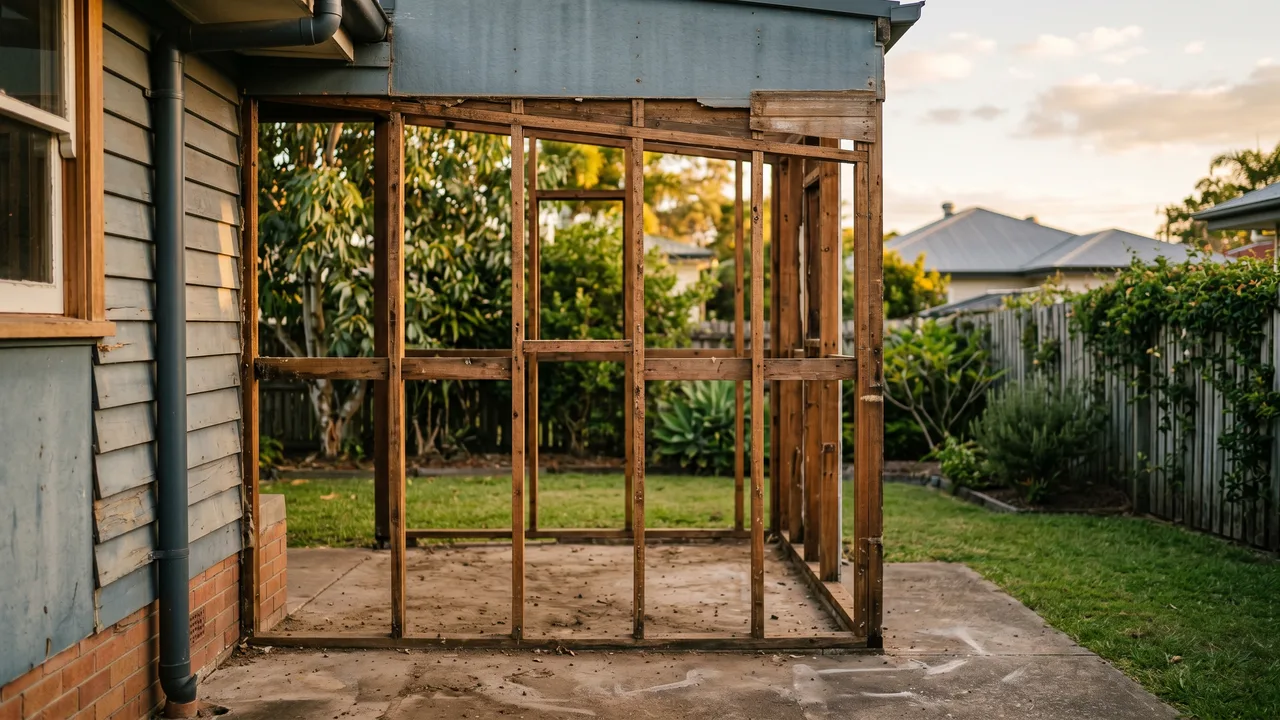
Asbestos Removal guide
What Is an Asbestos Clearance Certificate and Do You Actually Need One?
What an Asbestos Clearance Certificate Actually Is
An asbestos clearance certificate is a written document issued by a licensed assessor confirming that an area where asbestos was removed is now safe to re-occupy or use. It is not the same as the removal contractor's own sign-off. It comes from an independent party who inspects the site after the work is done.
If you've just had asbestos removed from your home in Albany Creek, Bald Hills, Carseldine or anywhere nearby, the question of whether you need one is worth answering properly. The short version: for friable (loose, crumbling) asbestos removal it's legally required in Queensland. For non-friable (bonded) asbestos, it depends on the job size and circumstances. But even when it's not legally required, there are good practical reasons to get one.
The Legal Picture in Queensland
Queensland's asbestos rules sit under the Work Health and Safety Act 2011 and the Work Health and Safety Regulation 2011, with Safe Work Australia's Code of Practice providing the detailed guidance contractors must follow.
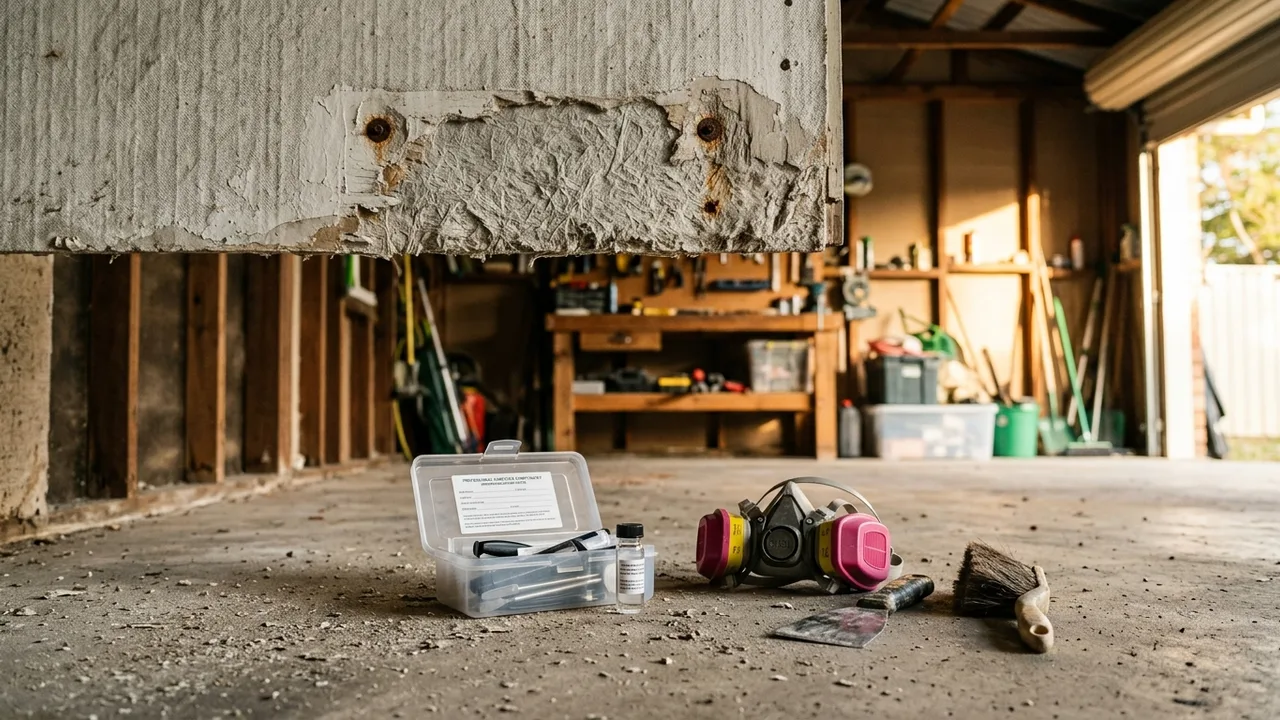
Here's how the law broadly works for residential jobs:
- Friable asbestos removal (Class A work) always requires an independent air monitoring assessor and a clearance certificate before the area can be re-occupied. No exceptions.
- Non-friable asbestos removal (Class B work) of more than 10 square metres also typically requires clearance documentation in commercial settings, but for residential-only work the rules can be less prescriptive. Your contractor should confirm what applies to your specific job.
- Small DIY-permitted amounts (under 10 m² of non-friable material on a private residence) don't legally require a certificate, though Brisbane City Council still has disposal requirements you need to follow.
The honest thing to say here is that regulations do get updated, and interpretations can vary depending on who you ask. Always check the current Queensland Government guidelines or ask your licensed contractor directly. Don't rely on what a neighbour tells you worked for them.
What "Independent Assessor" Means and Why It Matters
The clearance certificate has to be issued by someone who did not do the removal work. That's the whole point. If the same contractor who pulled out your asbestos roof sheets also hands you a certificate saying the job is clean, that certificate is not valid under Queensland law.
A licensed asbestos assessor (sometimes called a hygienist) will typically:
- Visually inspect the work area for any remaining fibres or debris.
- Conduct air monitoring with specialised equipment to check airborne fibre levels.
- Compare results against the clearance standard (currently 0.01 fibres per millilitre of air in Queensland).
- Issue a written certificate if the area passes.
The cost of an independent assessor varies. For a typical residential job in the Albany Creek area, expect to pay somewhere in the range of $300 to $700 for the assessor's attendance and report, though this varies with job complexity and travel. Some removal quotes include coordinating the assessor as part of the package; others don't. Ask before you sign anything.
When You Should Get One Even If You Don't Have To
Let's say you've had a small amount of bonded asbestos cement sheeting removed from a shed in Bracken Ridge. The job is under 10 m², it was done by a licensed Class B contractor, and technically no certificate is required.
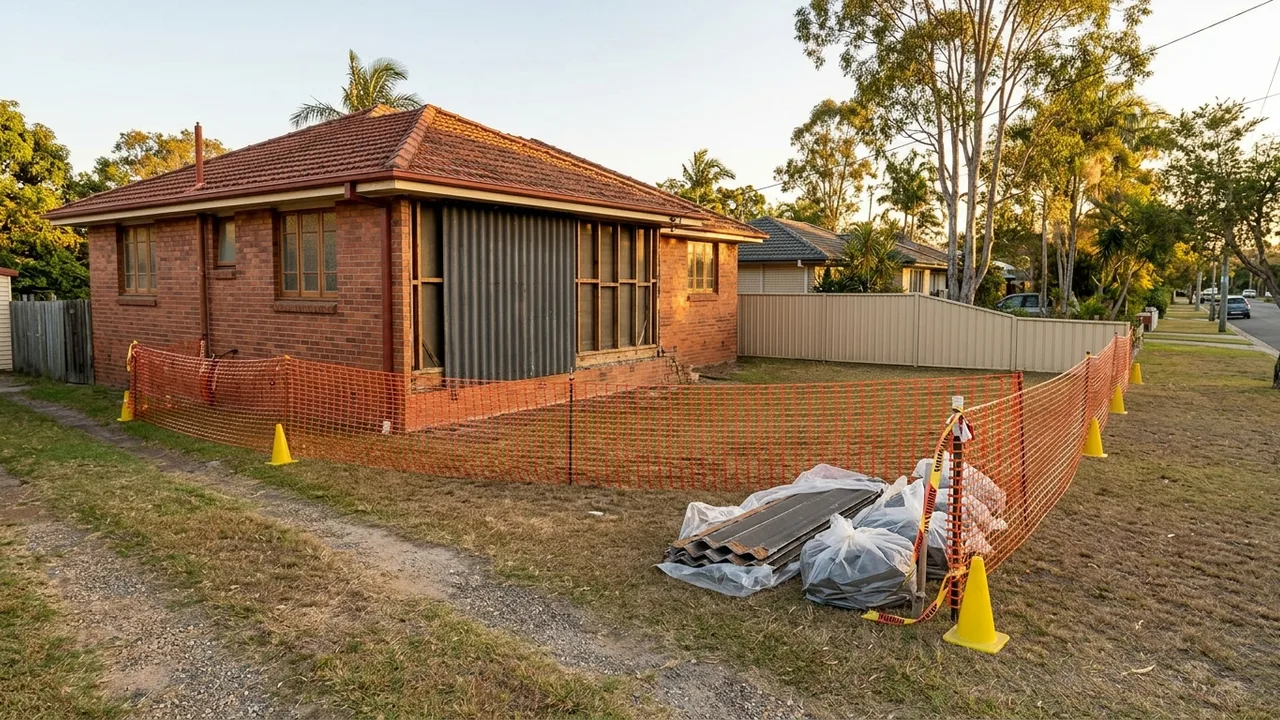
Should you still get one? In a lot of cases, yes. Here's why.
Selling your home. Conveyancers and savvy buyers increasingly ask about asbestos. A clearance certificate is concrete evidence the material is gone and the site is clean. Without it, you're relying on your word and the contractor's word. That's a harder case to make.
Insurance claims. If you later make a home and contents or property claim related to that area, insurers may ask for documentation. A certificate gives you something tangible.
Peace of mind with young children or elderly occupants. Asbestos-related diseases (mesothelioma, asbestosis, lung cancer) have a very long latency period. You cannot feel or smell asbestos fibres. If your family is going back into a garage or living area that used to contain the material, having independent confirmation the air is clear is not paranoia. It's reasonable caution.
Renovation continuity. If your asbestos removal is part of a larger renovation, tradies coming in afterwards (builders, electricians, plumbers) may ask for the certificate before they start work in that space.
Specific Considerations for Homes in This Part of Brisbane
Most of the housing stock in suburbs like Albany Creek, Ferny Grove, Carseldine and Bald Hills was built between the 1950s and the 1980s. That era overlaps almost exactly with widespread use of asbestos cement (fibro) in residential construction. It appeared in wall sheeting, eaves, roofing, fencing, wet area linings, and even some floor underlays.
Older Queenslander-style homes and post-war fibro cottages in this corridor often have asbestos in places the owner hasn't thought about: the laundry, the detached garage, the back fence line, or the lean-to addition someone built in 1972. A proper inspection before any removal work is worth doing if you're not certain what you've got.
The bayside suburbs in this cluster (Sandgate, Brighton, Banyo, Boondall) have a slightly different profile. Salt air and coastal humidity can accelerate the weathering of asbestos cement sheeting, making it more prone to becoming friable over time even if it started as bonded material. If you're in one of those suburbs and your asbestos-containing material is old and looks powdery or damaged, treat it as potentially friable and get a Class A licensed contractor involved. Don't sand, drill or cut it to check.
The Cost Trade-Off: Certificate vs No Certificate
Here's an honest look at the trade-off.
Getting a clearance certificate adds cost to your project. Between the assessor's fee and any additional air monitoring time, you might add $300 to $700 to a job that was already costing $1,000 to $5,000 or more. For a small shed removal, that's a meaningful percentage increase.
The argument against: if it's a straightforward bonded removal, done by a reputable licensed contractor with good documentation, and you're not planning to sell the property anytime soon, you might decide the certificate isn't worth the extra cost.
The argument for: asbestos-related liability doesn't expire. If you sell the property in 15 years and someone later claims improper removal, having a clearance certificate is your protection. The cost of disputing a claim, or of re-testing a property before sale, will dwarf what you'd have spent on the certificate originally.
Most people who've been through this process say they're glad they got the certificate. But it is your call to make.
How to Make Sure the Certificate You Get Is Valid
Not every piece of paper that says "clearance" is a legitimate certificate. Here's what to check.
The assessor must hold a current Queensland licence as an asbestos assessor. You can verify this through the Queensland Building and Construction Commission (QBCC) or the relevant SafeWork authority. Ask for the assessor's licence number before they attend.
The certificate should include:
- The address of the property
- The date of inspection and air monitoring
- The scope of work covered
- The measured fibre concentration and the applicable standard
- The assessor's licence number and signature
Keep the original. Make a digital copy. Store both somewhere you can find in 10 years when your conveyancer asks for it.
A Final Word
An asbestos clearance certificate is not red tape for its own sake. It is independent confirmation, in writing, that a licensed professional checked the air and found it safe. For friable asbestos work, it's a legal requirement. For other jobs, it's often still the smart choice.
If you're unsure whether your particular job requires one, the right approach is to ask a licensed asbestos professional to assess your situation before the work starts, not after. The contractors we connect homeowners with across Albany Creek and surrounds can walk you through what's required for your specific property. A quick conversation costs nothing and will give you a clearer picture than any article can.
Quick answers