Banyo 4014
Asbestos Removal Banyo.
Asbestos Removal in Banyo
Banyo sits roughly 12 kilometres north of the Brisbane CBD, sandwiched between the Brisbane Airport precinct and the older residential pockets stretching toward Nudgee and Northgate. It is not a flashy suburb, and that is actually the point. A lot of the housing stock here was built in the 1950s through the 1970s, when asbestos cement sheet was the go-to building material across Queensland. If your home in Banyo dates from that era, there is a reasonable chance asbestos is somewhere in the fabric of it.
What the Housing Stock Looks Like Here
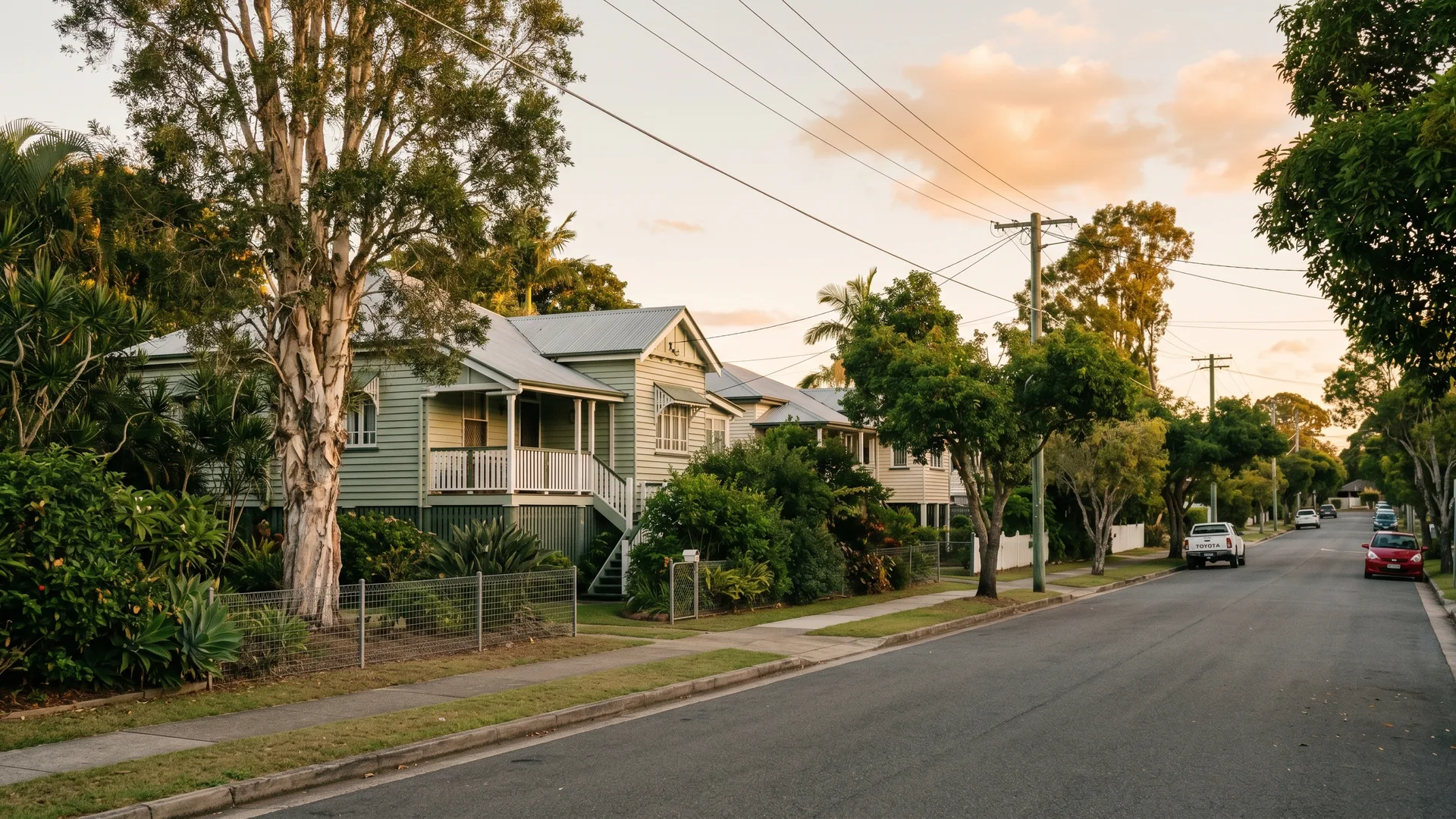
Banyo has a mix that will be familiar to anyone who has driven its quieter residential streets. You find post-war chamferboard homes on stumps, fibro-clad dwellings that were built cheaply and quickly for a growing suburb, and a scattering of brick homes from the 1960s and 1970s. More recently, townhouse and unit developments have moved in around the transit corridor near Banyo Station, but the older properties are still the majority in the established streets.
The fibro and fibre cement sheeting used on those post-war and 1960s-era homes is where most asbestos removal work comes from in a suburb like this. It turns up as:
- Eave lining under the roofline (very common in the older chamferboard homes)
- Wet area sheeting behind tiles in bathrooms and laundries
- Flat-sheet wall cladding on garages, carports and outbuildings
- Roofing material on low-pitch sheds and older garages
- Fencing panels, particularly at property boundaries
If your home was built or substantially renovated before 1990, any flat or corrugated sheet material is worth treating as suspect until tested. Asbestos use was not fully banned in Australia until 2003, and products were still cycling through supply chains well into the 1980s.
Typical Jobs We See in Banyo
In practice, the jobs coming out of Banyo tend to fall into a few patterns. Eave and soffit removal during a reroofing or renovation project is probably the most common single item. Shed and garage removals are also frequent, particularly where an owner is clearing an older property for sale or development. Occasionally a full external wall cladding removal comes up when someone is recladding a fibro home.
Bathroom and laundry sheet removal is another job that surfaces regularly, often triggered by a renovation quote from a tiler or builder who spots the suspect sheeting before work begins. That is a sensible catch; disturbing asbestos-containing material without the right controls creates a real risk.
Why This Team Covers Banyo
The base for this service is Albany Creek, which puts Banyo well within a straightforward run north via the Gateway Motorway or Nudgee Road. There is no remote-area surcharge for Banyo, and response times for an initial inspection are typically within a few business days. For jobs that need to move quickly, same-week availability is often possible depending on current booking load.
The contractors we connect you with hold the correct Queensland licences for both Class B non-friable work (bonded asbestos sheet, most common in residential jobs) and Class A friable asbestos removal (required when material is crumbling or powdery, or when works may release fibres). Disposal goes to a facility licensed to receive asbestos waste, and you receive a clearance certificate on completion.
The Local Angle Worth Knowing
Banyo has seen steady redevelopment pressure, with older lots being subdivided or cleared for newer builds. That activity stirs up renovations on adjacent properties and triggers pre-sale clearances. If your neighbours are developing and you are not sure what your own property contains, it is worth finding out before someone else's tradesperson asks the question for you.
Asbestos cement sheet that has been painted over or is intact poses a lower immediate risk than material that is friable or crumbling. But condition can change with age, weather exposure and physical disturbance. A proper inspection gives you a straight answer rather than a guess.
If you are planning a renovation, selling a Banyo property, or you have found a sheet you cannot identify, get in touch and we will connect you with a licensed local contractor who can inspect, test and advise without the hard sell.
Quick answers
Banyo questions answered.
How do I know if my Banyo home contains asbestos?
Is asbestos removal in Banyo expensive?
Do I need a licensed contractor or can I remove asbestos sheeting myself?
What is a clearance certificate and do I need one?
How quickly can someone get to my Banyo property?
What happens to the asbestos waste after removal?
Ready when you are
Book a Banyo visit.
Local team. Up-front pricing. Same prices as the rest of the cluster, no travel surcharge for Banyo.
Or send us a message.
We text and call back within business hours.