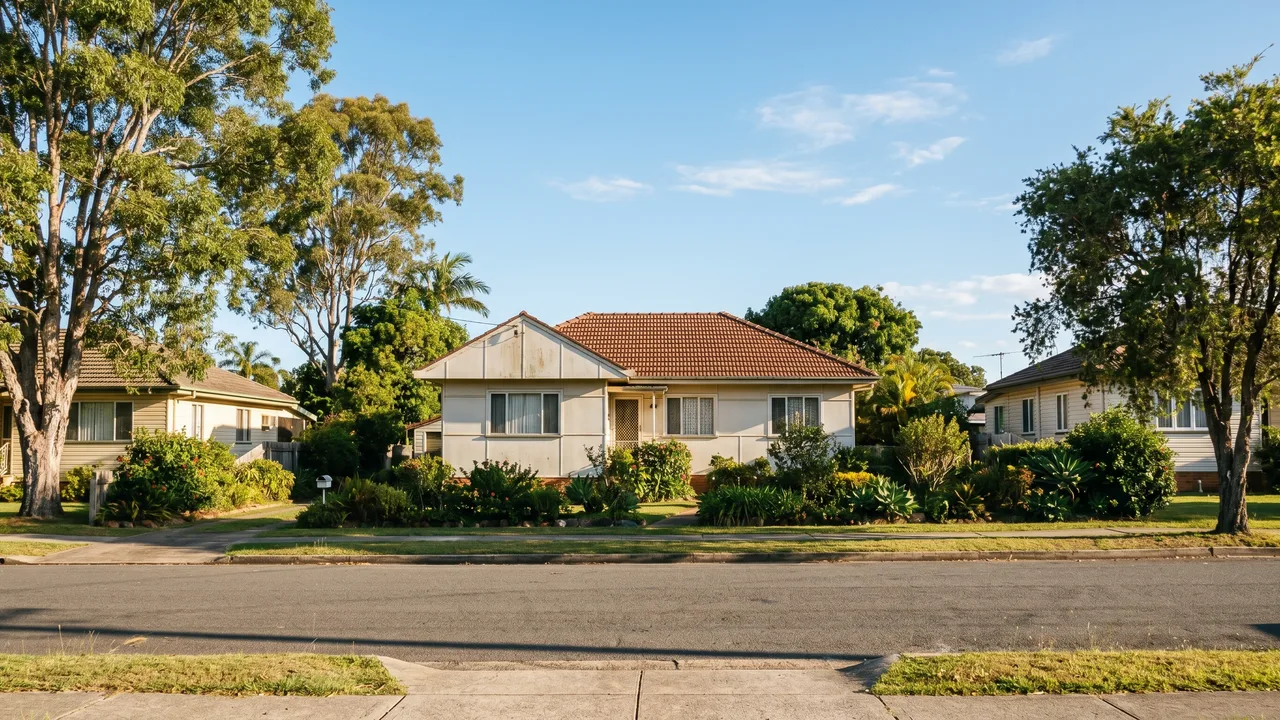
Asbestos Removal guide
Is There a Better Time of Year to Book Asbestos Removal in Brisbane?
Yes, Timing Does Matter - But Maybe Not How You Think
The honest answer is: late autumn and winter (roughly May through August) tend to be the most practical window for booking asbestos removal in Brisbane. The weather is more predictable, tradies are generally easier to schedule, and your property is less likely to be disrupted by the kind of sudden downpours that complicate outdoor asbestos work. That said, the best time is ultimately whenever you've discovered asbestos that poses a risk - waiting for an ideal season is rarely worth it.
Why Brisbane's Climate Actually Affects Asbestos Jobs
Asbestos removal is classified as outdoor demolition work in most residential settings. That means weather is a genuine operational variable, not just a comfort issue.
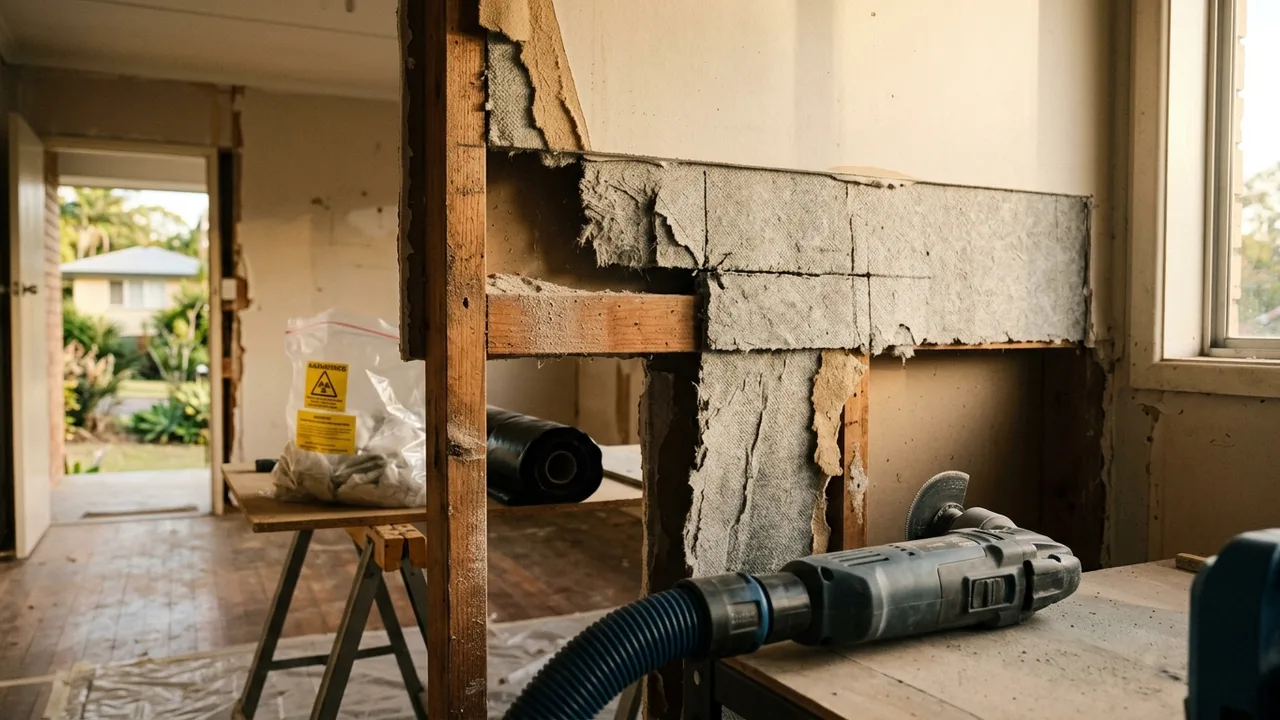
Queensland's wet season runs roughly from November through March. During that window, afternoon storms are common across the northern suburbs - Albany Creek, Bald Hills, Bracken Ridge and Ferny Grove included. A heavy downpour mid-job creates real problems. Friable asbestos (the crumbling, loose type found in old pipe lagging, textured ceilings and certain insulation products) can become even more hazardous when wet if it hasn't been properly contained. More practically, wet sheeting is heavier, harder to bag cleanly, and can delay disposal scheduling.
Asbestos cement (AC) sheeting - the flat or corrugated type common in roofing, eaves and shed walls across pre-1990 Brisbane homes - behaves differently. It's less volatile when damp, but it still needs to be cut, removed and loaded dry where possible, because wet debris is harder to manage without fibre release.
The cooler months also mean your crew isn't working in 35-degree heat wearing full personal protective equipment (PPE). That matters for job quality: fatigued workers make more mistakes, and asbestos removal is a zero-mistakes discipline.
Contractor Availability and Pricing: Is There a "Quiet Season"?
In Brisbane's northern corridor (Albany Creek, Carseldine, Boondall, Banyo), asbestos removal work follows a loose seasonal rhythm, though it's nowhere near as pronounced as in colder southern states.
Generally speaking:
- Summer (December to February) is often busy because homeowners use the Christmas period to plan renovations. Demand spikes, lead times stretch, and some contractors prioritise larger commercial jobs.
- Autumn (March to May) sees demand drop slightly after the wet season wind-down. This is often a sweet spot: weather is improving, contractors have breathing room, and scheduling is easier.
- Winter (June to August) is typically the most available window. Days are clear and dry, morning conditions are comfortable for PPE work, and you're more likely to get your preferred dates without a long wait.
- Spring (September to November) picks up again as renovation season approaches. Demand rises, and by October the humidity starts building again across the bayside suburbs like Sandgate and Brighton.
Does availability translate to cheaper quotes? Sometimes, but not reliably. Licensed asbestos removal in Queensland is regulated work with fixed compliance costs (Class A or Class B licence requirements, clearance air monitoring, approved disposal facilities). Those costs don't move much with the seasons. What you might gain in winter is a shorter wait and a contractor who isn't juggling three other urgent jobs at once.
Specific Situations Where Timing Really Matters
Not all asbestos removal is the same job. The timing consideration shifts depending on what you're having removed.
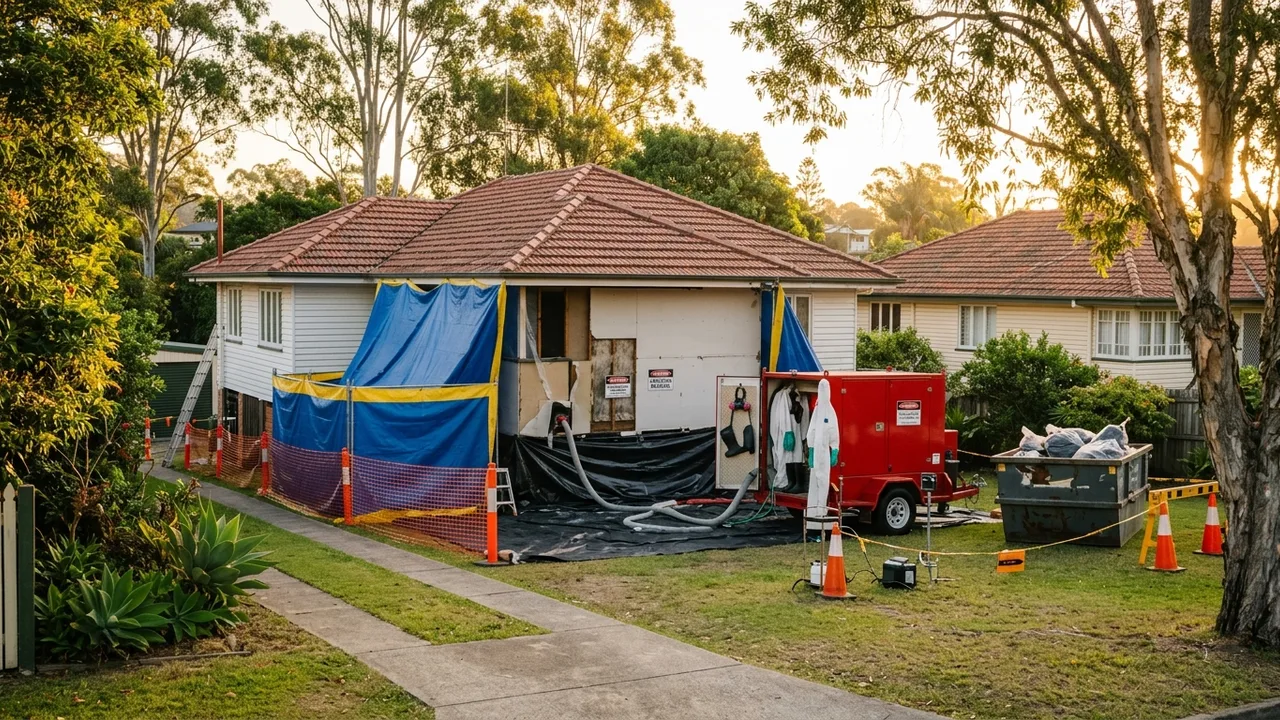
Asbestos roof removal is the most weather-sensitive service. Stripping an asbestos cement roof from a Queenslander or post-war fibro home in Albany Creek or Ferny Grove leaves the building exposed between removal and re-roofing. A surprise storm mid-project can cause serious water damage inside. Winter and early autumn, when Brisbane's Bureau of Meteorology data shows the fewest rain days, give you the best buffer. If you're replacing a roof, aim to have removal and new installation completed within the same week where possible.
Shed and garage asbestos removal is far less weather-dependent. A freestanding shed doesn't expose a living space. You have more flexibility here, and there's no strong seasonal argument either way.
Friable asbestos removal requires a Class A licensed contractor and additional air monitoring. These jobs are more complex to schedule regardless of season. The practical advice is to book as soon as you've confirmed the material is friable (usually via lab-confirmed testing). Don't hold off for a "better time" - friable asbestos in a deteriorating state is the one scenario where urgency outweighs timing strategy.
Asbestos inspection and testing can happen any time of year with no meaningful seasonal constraint. If you're buying a pre-1990 home in Bald Hills or Carseldine and need to know what you're dealing with before settlement, book the inspection immediately. Results typically take a few business days once samples reach the lab.
The Trade-Off: Booking Now vs Waiting for the Right Window
Here's where it's worth being direct. If you've found damaged or deteriorating asbestos material - crumbling eave sheets, a shed wall with cracks exposing the fibrous core, or a roof with broken corrugated AC sheeting - waiting three months for "ideal" conditions isn't sensible. The risk is present now.
On the other hand, if you're in the early planning stage of a renovation and the asbestos-containing materials are intact and undisturbed, there's a reasonable case for scheduling work in the cooler months. You'll have a better chance of booking your preferred contractor, the job conditions will be more controlled, and you're less likely to face weather-related delays that push out your broader renovation timeline.
The cost range for residential asbestos removal in Brisbane typically sits somewhere between $1,000 and $15,000 depending on scope. A single shed wall is a very different job to a full roof removal and disposal with clearance certificate. Timing won't dramatically change that range, but being a flexible client (willing to accept a weekday slot in June rather than a Saturday in December) can sometimes improve your position.
What Clearance Certificates and Disposal Mean for Your Timeline
One detail that catches homeowners off guard is that the job doesn't end when the last bag leaves your property. In Queensland, a licensed asbestos removalist must arrange an independent clearance inspection (for Class A removals) or at minimum issue a clearance certificate before the area is re-occupied or built over. That step adds time - usually a day or two after removal, sometimes longer if the air monitoring lab is backlogged.
Disposal also has to go to an approved facility. In the Brisbane region, that's managed through licensed waste transfer stations. This is a compliance requirement, not optional, and it's included in any legitimate quote. Make sure your contractor itemises disposal and the clearance certificate separately so you can see exactly what you're paying for.
If you're working to a renovation deadline - say, a builder starting framing in three weeks - factor the full timeline in: removal day, plus clearance inspection, plus certificate turnaround. In winter, when contractors are less stretched, this sequence tends to move faster.
A Practical Recommendation
If you have the flexibility to choose, aim for May to August. The weather is Brisbane's best, contractors are more available, and the entire job from booking to clearance certificate is less likely to be disrupted. If you're near the bayside (Sandgate, Brighton, Banyo), bear in mind the humidity can linger longer than in the inland northern suburbs, so don't assume the wet season exits cleanly on a calendar date - check the forecast in the week before your job.
If you don't have that flexibility - because the asbestos is damaged, or a renovation is already underway, or you've just bought a pre-1990 home and need clarity before you do anything else - then the right time is now. A good licensed contractor will manage the weather variables. That's their job.
If you'd like to talk through your specific situation before committing to anything, that's a reasonable first step. Getting a rough scope and quote costs nothing, and it'll give you a clearer picture of what you're actually dealing with.
Quick answers